Not every crystal belongs in water. Some dissolve, some rust, and some release compounds you definitely do not want touching your skin. Whether you are rinsing a stone after a long day, considering a crystal-infused bath, or just caught in the rain with a pocket full of specimens, knowing which minerals can handle water contact is essential knowledge for any collector.
The primary tool for evaluating water safety is the Mohs scale of mineral hardness, which ranks minerals from 1 (talc) to 10 (diamond). As a general rule, minerals rated 6 or above on the Mohs scale are typically safe for brief water contact. Below 6, you enter risky territory where dissolution, cracking, rusting, or toxic leaching become real concerns.
But hardness is not the only factor. Mineral composition matters too. Iron-bearing stones can rust. Copper-bearing stones can leach toxic compounds. Stones with strong cleavage planes can split when water seeps into micro-fractures. This guide breaks it all down crystal by crystal.

Clear Quartz Geometric Form — Shop Clear Quartz
Crystals That Are Safe in Water
These minerals are hard enough and chemically stable enough to withstand rinsing, brief soaking, and normal water contact without damage. All quartz-family stones fall into this category, along with a few others.
| Crystal | Mohs | Notes |
|---|---|---|
| Clear Quartz | 7 | Extremely stable. Safe for rinsing, soaking, and indirect elixirs. |
| Rose Quartz | 7 | Safe for all water contact. Avoid prolonged salt water, which can dull the surface. |
| Amethyst | 7 | Water safe. Dry promptly if left in sunlight while wet, as UV can fade color over time. |
| Citrine | 7 | Same durability as amethyst. Rinse and soak freely. |
| Smoky Quartz | 7 | Fully water safe. One of the most durable quartz varieties. |
| Tiger's Eye | 7 | Quartz-based with fibrous crocidolite inclusions. Brief rinse is fine; avoid extended soaking. |
| Jasper | 7 | Dense microcrystalline quartz. All jasper varieties are water safe. |
| Carnelian | 7 | Chalcedony variety. Handles water well; avoid salt water for polished pieces. |
| Agate | 7 | Banded chalcedony. Water safe for rinsing and brief soaking. |
| Aventurine | 7 | Quartz with mica inclusions. Brief rinse is fine; salt water may dull mica flecks. |
| Onyx | 7 | Chalcedony variety. Durable and water safe. |
| Aquamarine | 7.5–8 | Beryl family. Very hard and chemically stable. Excellent water resistance. |
| Black Tourmaline | 7–7.5 | Hard enough for water contact. Dry thoroughly, as rough specimens can trap moisture in crevices. |
| Obsidian | 5–5.5 | Volcanic glass with no crystal structure to dissolve. Water safe despite lower hardness. |
| Shungite | 3.5–4 | Carbon-based mineraloid. Generally safe for brief rinses despite low hardness; will not dissolve. |

Amethyst Cluster — Shop Amethyst

Rose Quartz Tower — Shop Rose Quartz
Crystals That Should NOT Go in Water
These minerals are too soft, too soluble, too reactive, or contain compounds that become dangerous when wet. Keep them completely dry.
| Crystal | Mohs | Why It Cannot Go in Water |
|---|---|---|
| Selenite | 2 | A form of gypsum (calcium sulfate). Dissolves in water. Even brief contact causes cloudiness and surface degradation. |
| Halite | 2–2.5 | Mineral form of sodium chloride (salt). Dissolves immediately and completely in water. |
| Calcite | 3 | Calcium carbonate. Reacts with acidic water (even mildly acidic tap water) and dissolves over time. |
| Fluorite | 4 | Too soft for soaking. Prone to cracking from temperature changes in water. Perfect cleavage makes it fragile when wet. |
| Malachite | 3.5–4 | Copper carbonate hydroxide. Releases copper compounds into water, which are toxic. Never use in drinking water or baths. |
| Lepidolite | 2.5–3 | Lithium-bearing mica. Flakes apart in water and can release lithium and aluminum compounds. |
| Pyrite | 6–6.5 | Iron sulfide. Despite adequate hardness, reacts with water and oxygen to produce iron rust and sulfuric acid over time. |
| Hematite | 5–6.5 | Iron oxide. Will rust when exposed to water, leaving orange-brown residue and degrading the surface. |
| Kyanite | 4.5–7 | Variable hardness depending on crystal axis. Can split along cleavage planes when water penetrates micro-fractures. |
| Lapis Lazuli | 5–6 | A rock composed of lazurite, pyrite, and calcite. The pyrite and calcite inclusions degrade in water. |
| Celestite | 3–3.5 | Strontium sulfate. Very soft and fragile. Water can dissolve the surface and cause crystal points to crumble. |

Selenite Tower — Shop Selenite

Pyrite Sphere — Shop Pyrite
Crystals in the Gray Zone (Use Caution)
These minerals sit at the threshold. A quick rinse under running water is generally fine, but soaking, submerging, or exposing them to salt water is not recommended.
| Crystal | Mohs | Caution |
|---|---|---|
| Moonstone | 6–6.5 | A brief rinse is OK. Feldspar with two cleavage planes means soaking can cause internal fractures or delamination over time. |
| Labradorite | 6–6.5 | Also feldspar. Same cleavage concerns as moonstone. Quick rinse only; never soak or use in baths. |
| Opal | 5.5–6.5 | Contains up to 20% water internally. Sudden temperature changes from water can cause crazing (fine surface cracks). Never use hot or cold water. |
| Turquoise | 5–6 | Porous mineral that absorbs water readily. Can discolor, develop spots, or change hue permanently if soaked. |
How to Cleanse Crystals Without Water
If your crystal is not water safe, or if you simply prefer a dry method, there are several effective alternatives. These methods work well for every mineral, including the most delicate specimens.
1. Selenite Plate
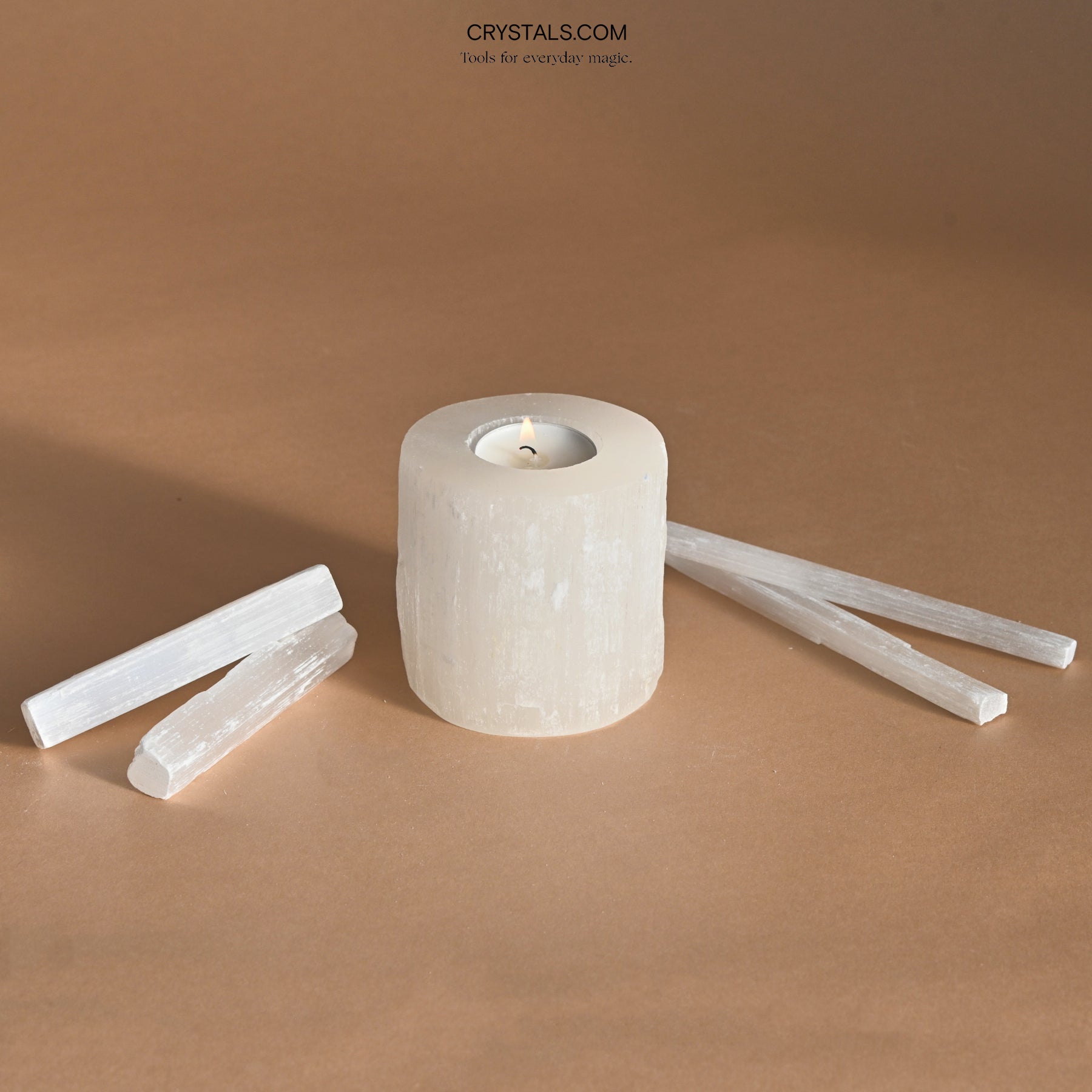
Place your crystals on a selenite charging plate or bowl for several hours or overnight. Selenite is one of the few minerals widely considered self-cleansing, making it ideal as a base for other stones.

Selenite Moon Bowl — Shop Selenite
2. Sound Cleansing
Use a singing bowl, tuning fork, or bell near your crystals. The vibrations move through the stone and are a completely contact-free method that works for every mineral regardless of hardness or composition.
3. Moonlight
Set your crystals on a windowsill or covered outdoor surface during a full moon. Unlike sunlight, moonlight will not fade color-sensitive minerals like amethyst or rose quartz. Just make sure to bring them in before morning dew forms if they are water-sensitive.
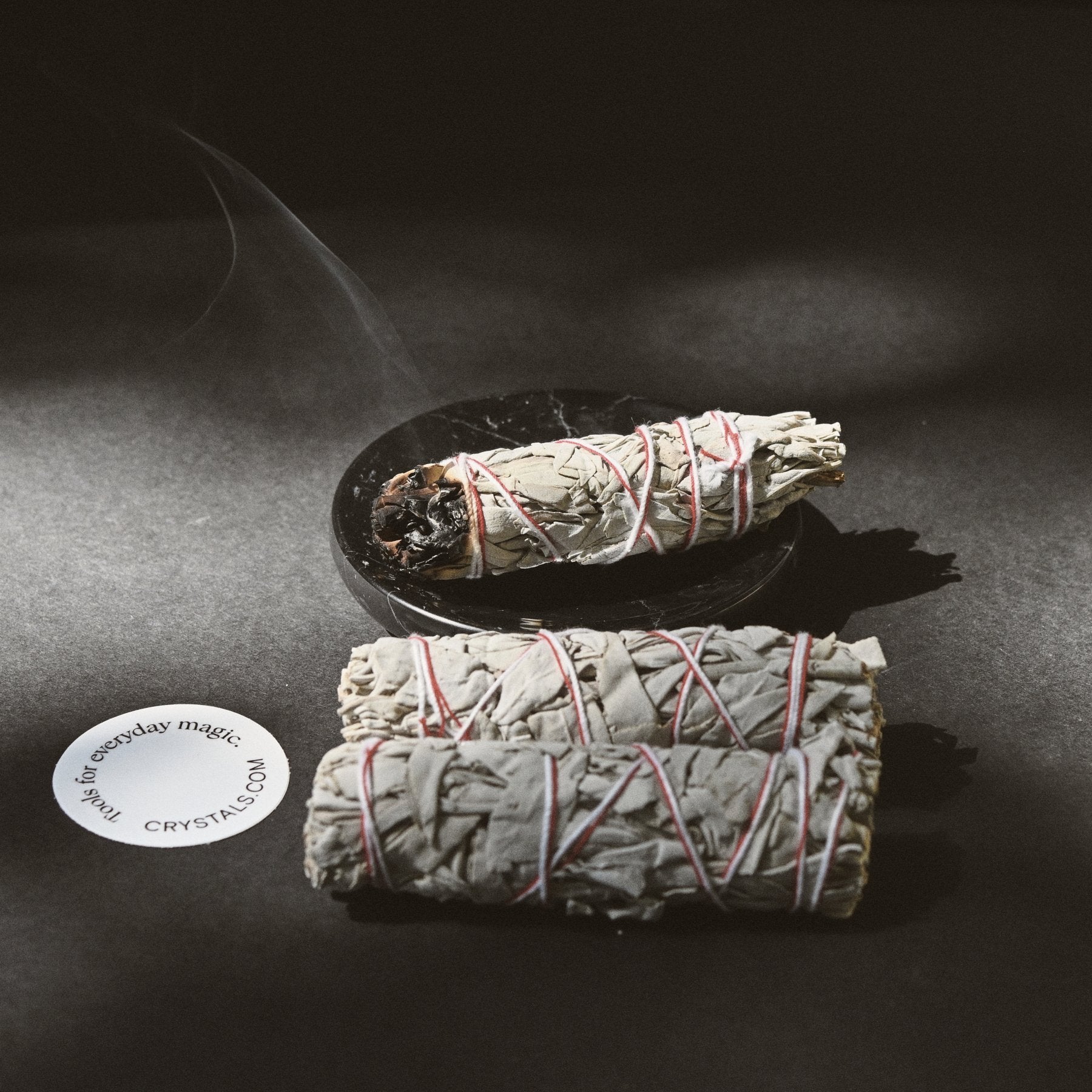
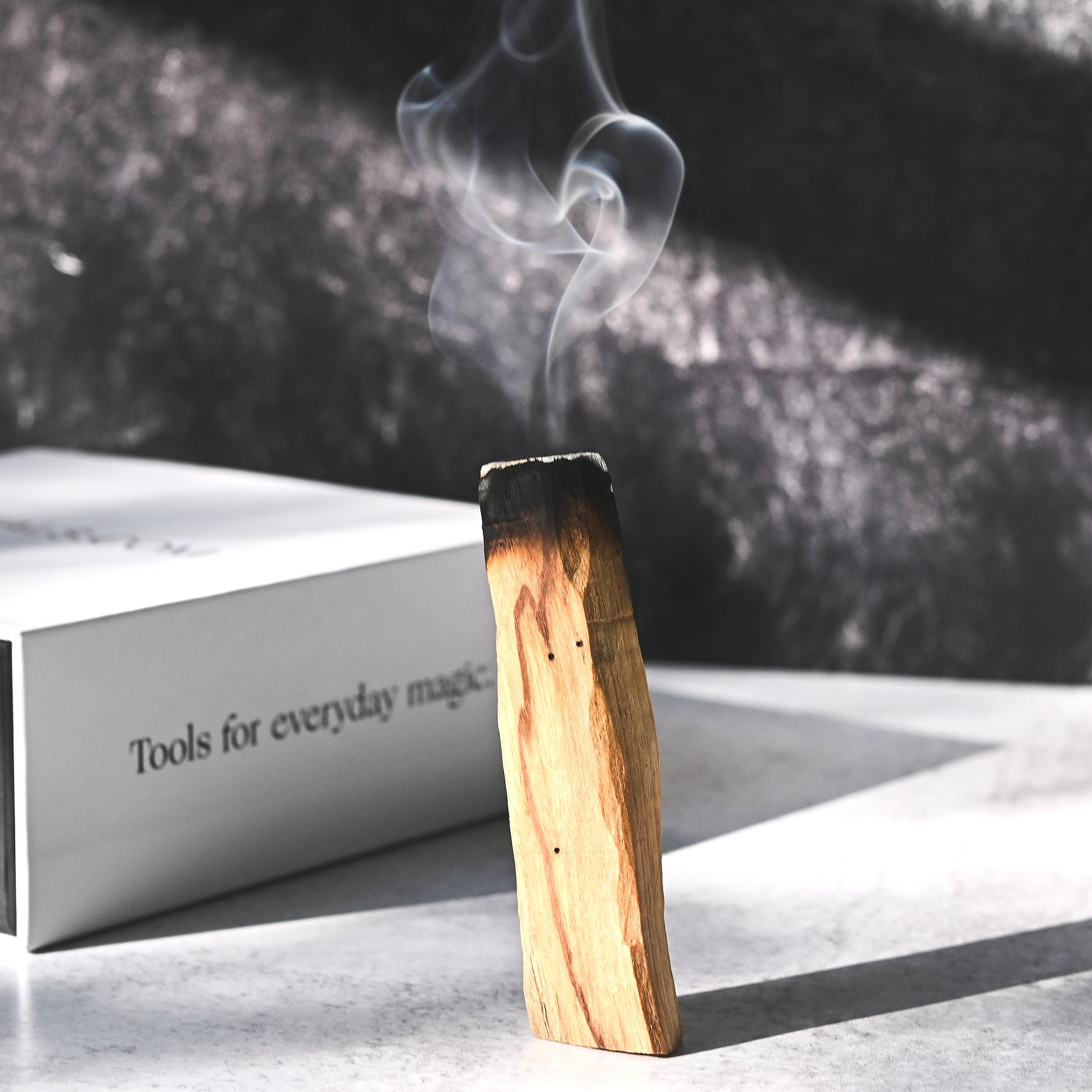
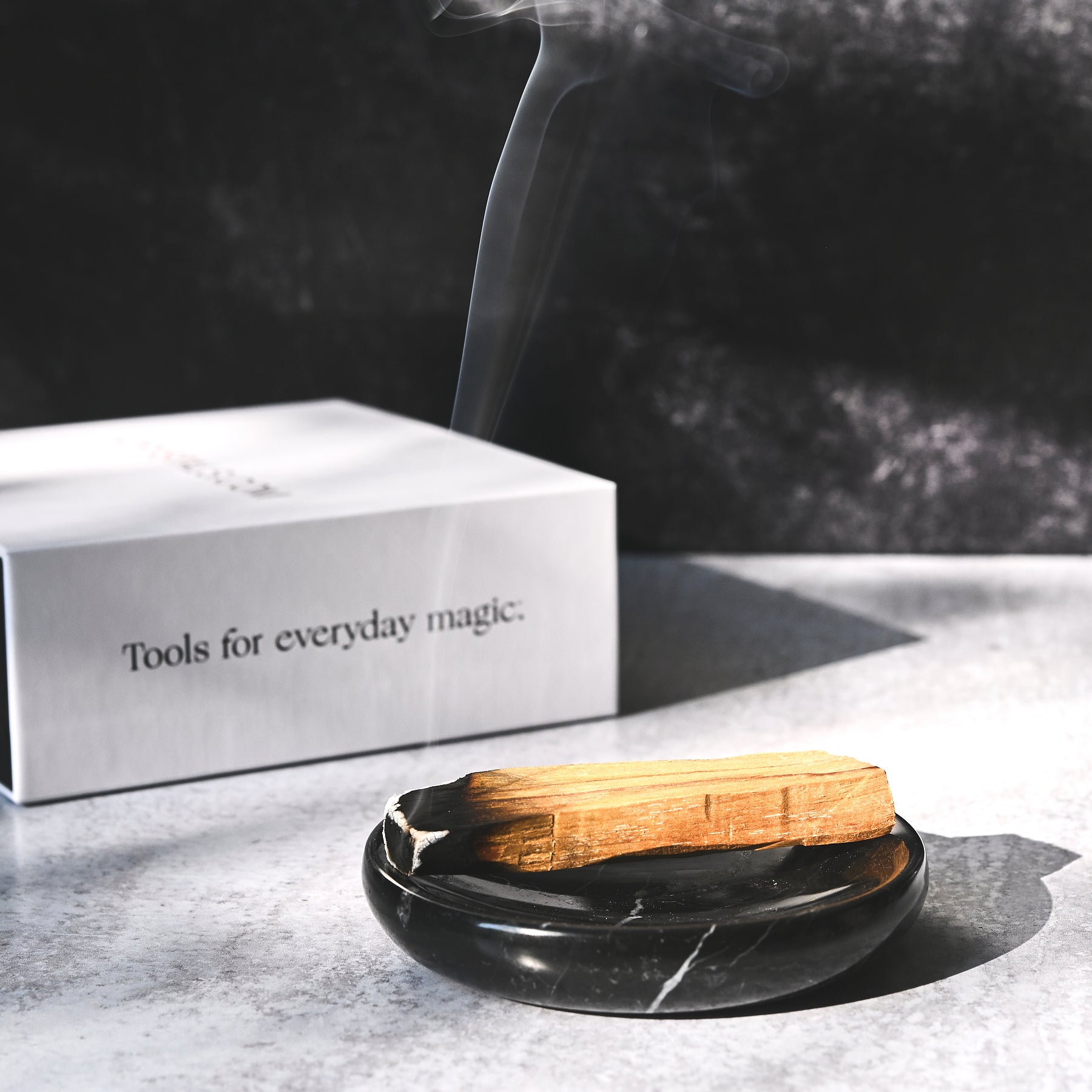
4. Smoke
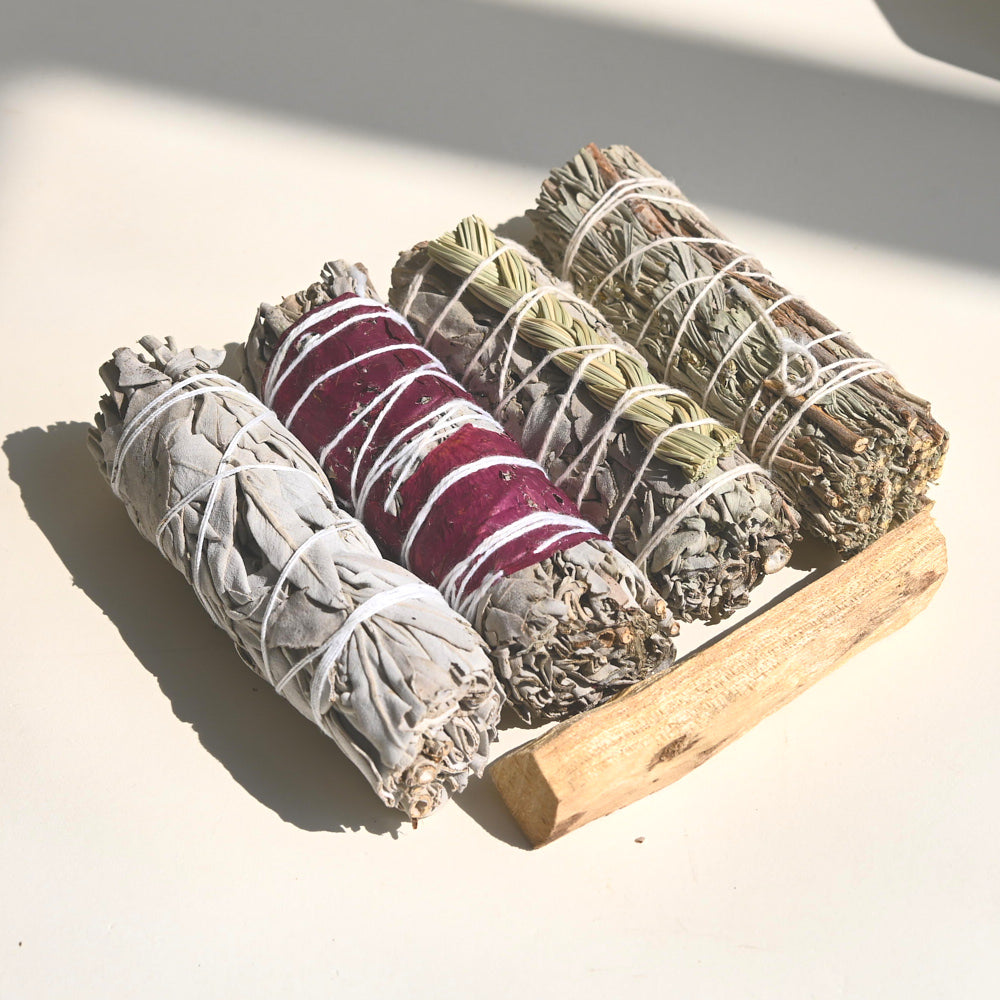
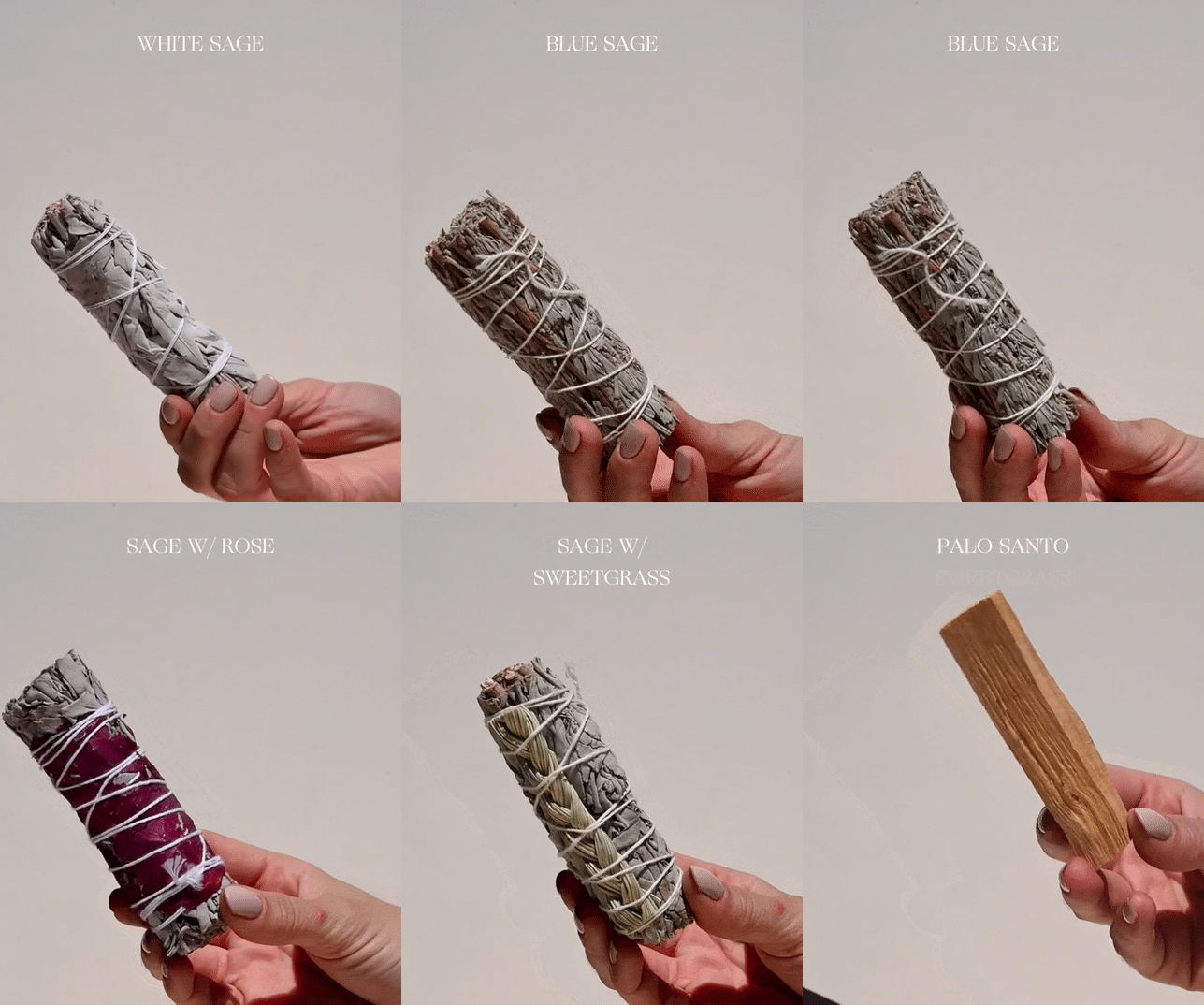
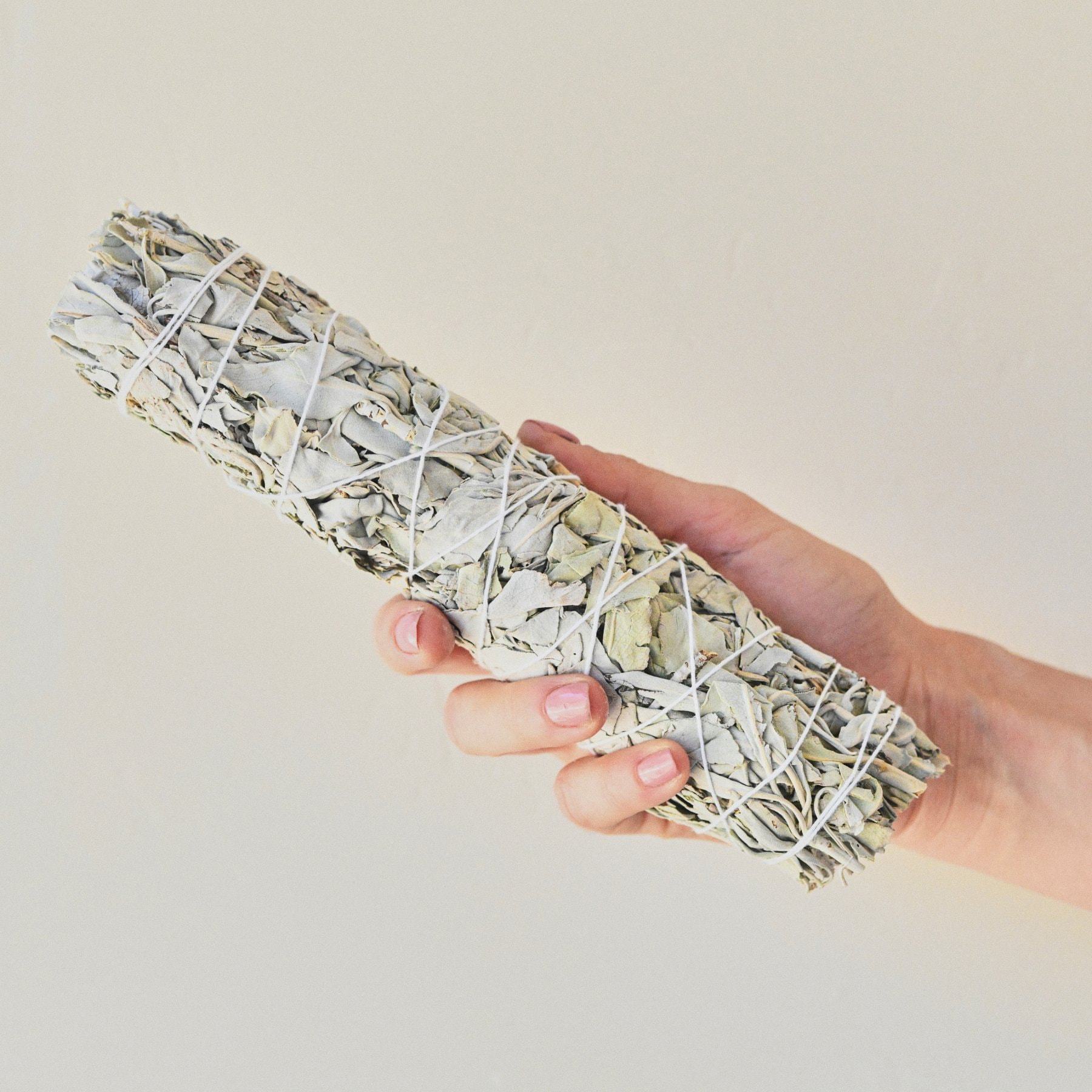
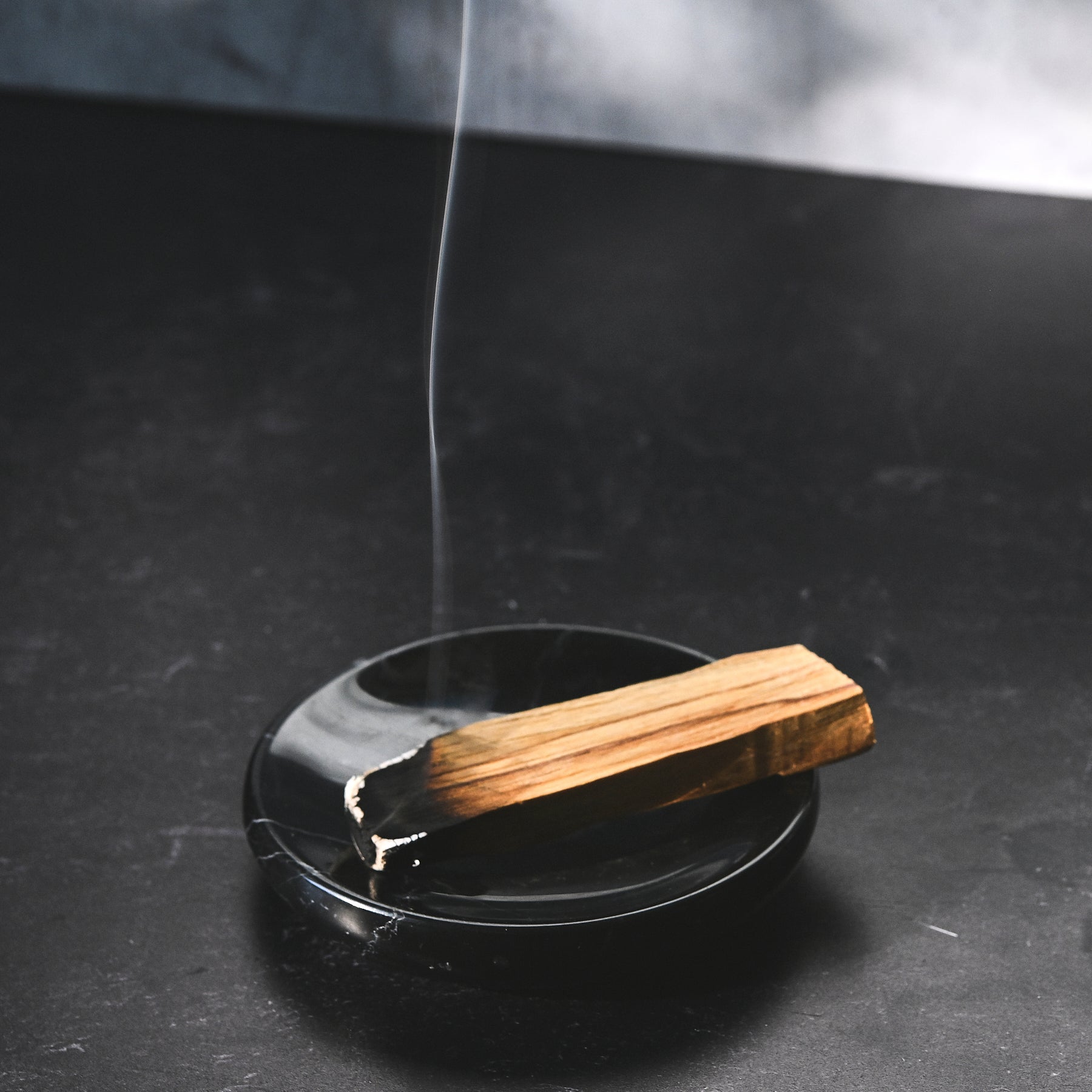
Pass your crystals through the smoke of dried herbs, incense, or palo santo. This is one of the oldest and most widely used cleansing methods across cultures. Keep the exposure brief and ensure good ventilation.
5. Dry Salt Bed
Bury your crystals in a bowl of dry sea salt for 12 to 24 hours. This works well for harder stones but should be avoided for porous or very soft minerals, as salt granules can scratch delicate surfaces. Discard the salt afterward.
Can You Make Crystal-Infused Water?
Crystal water (sometimes called gem water or crystal elixirs) has become increasingly popular. If you choose to make it, safety is non-negotiable. Some crystals contain minerals that are genuinely toxic when dissolved in water you intend to drink or bathe in.
The only safe method is the indirect method. Here is how it works:
- Place your crystal inside a small sealed glass container (a jar, test tube, or gem water bottle with a sealed chamber).
- Set that sealed container inside a larger vessel of water.
- The crystal never touches the water you will use. The glass barrier prevents any mineral leaching.
- Let it sit for several hours, then use the water from the outer vessel.
Safety Warning: Never place malachite, pyrite, galena, cinnabar, arsenopyrite, or any copper- or lead-bearing mineral directly in water you plan to drink or bathe in. Malachite releases copper compounds. Pyrite can produce sulfuric acid. These are not theoretical risks; they are well-documented chemical reactions.
If you want a purpose-built solution, gem water bottles with a sealed crystal chamber are the safest and most convenient option. The crystal sits in a separate compartment and never makes direct contact with your drinking water.
Quick-Reference Rules
Before you get any crystal wet, run through this checklist:
- Check the Mohs hardness. 6 and above is generally safe for brief water contact. Below 6, proceed with caution or avoid entirely.
- Check the mineral composition. Iron-bearing minerals (hematite, pyrite) rust. Copper-bearing minerals (malachite, chrysocolla) leach toxins. Sulfide minerals react with water over time.
- Check the structure. Minerals with strong cleavage (moonstone, labradorite, fluorite) can crack or delaminate when water seeps into internal planes.
- Avoid salt water for everything except quartz family. Salt is abrasive and can dull polished surfaces, etch softer stones, and accelerate chemical reactions on reactive minerals.
- Always dry thoroughly. Even water-safe stones should be patted dry after rinsing. Trapped moisture in crevices can cause problems over time.
For a deeper understanding of mineral hardness and how it affects care, maintenance, and identification, read our full Guide to the Mohs Scale of Hardness. And if you are looking for crystals that work well in wet environments like bathrooms and showers, check out our guide to the best crystals for your bathroom.
Every specimen personally chosen
On orders over $150
Direct from trusted miners
Frequently Asked Questions
Can rose quartz go in water?
Yes. Rose quartz is a 7 on the Mohs scale and is safe for rinsing, brief soaking, and use in indirect crystal water methods. Avoid prolonged exposure to salt water, which can dull the polish over time.
Can amethyst go in water?
Yes. Amethyst rates a 7 on the Mohs scale and handles water well. Rinse and soak freely, but dry it before placing it in direct sunlight, as UV exposure while wet can accelerate color fading.
Can selenite go in water?
No. Selenite is a form of gypsum with a Mohs hardness of just 2. It will dissolve, become cloudy, and develop a powdery surface even with brief water exposure. Cleanse selenite with moonlight, sound, or smoke instead.
Can citrine go in water?
Yes. Citrine is a quartz variety with a Mohs hardness of 7. It is fully safe for rinsing and brief soaking. Like all quartz, it is one of the most water-resistant crystals you can own.
What crystals are toxic in water?
Malachite (releases copper), pyrite (produces sulfuric acid and iron rust), galena (contains lead), cinnabar (contains mercury), and arsenopyrite (contains arsenic) should never be placed directly in water intended for drinking or skin contact. Always use the indirect method with a glass barrier if you want to make crystal water with any stone you are unsure about.
How do you cleanse crystals without water?
Place them on a selenite plate, use sound vibrations from a singing bowl, set them in moonlight overnight, pass them through smoke, or bury them in a dry salt bed. All of these methods are safe for every crystal type, including water-sensitive stones.
Can black tourmaline go in water?
Yes. Black tourmaline has a Mohs hardness of 7 to 7.5 and is safe for rinsing and brief soaking. Dry rough specimens thoroughly afterward, as water can become trapped in natural crevices and surface pits.
Can moonstone go in water?
Briefly, yes. Moonstone has a Mohs hardness of 6 to 6.5, so a quick rinse under running water is fine. However, it is a feldspar with two cleavage planes, which means prolonged soaking can cause internal fractures. Do not submerge moonstone for extended periods or use it in baths.