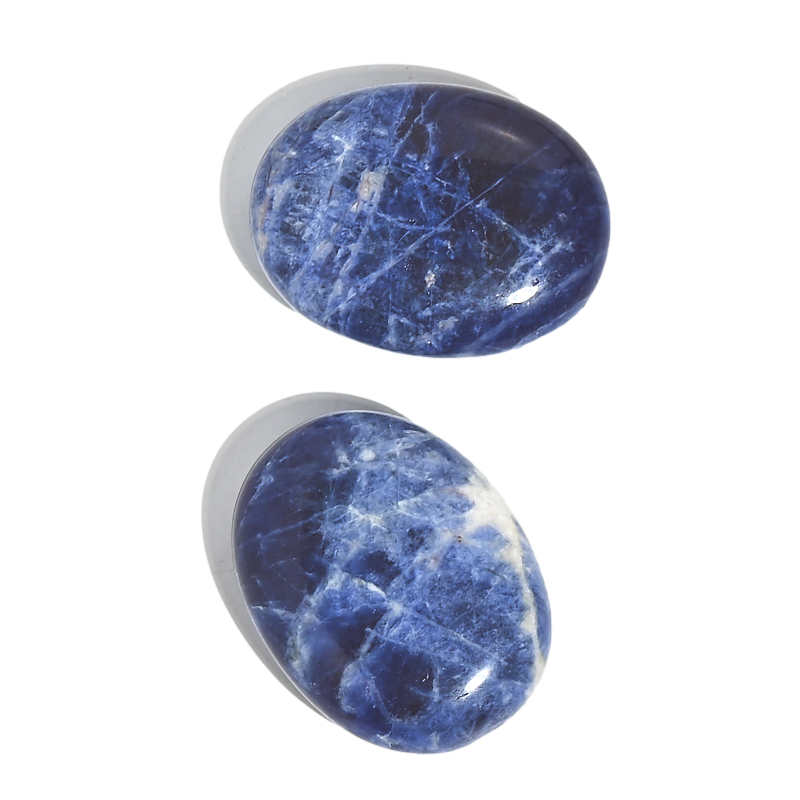

Sodalite Palm Stone
$24
Crystals.com
Sodalite is a tectosilicate mineral with the formula Na₈(Al₆Si₆O₂₄)Cl₂, crystallizing in the cubic system. Its rich, royal blue color — often interwoven with veins of white calcite — makes it one of the most...
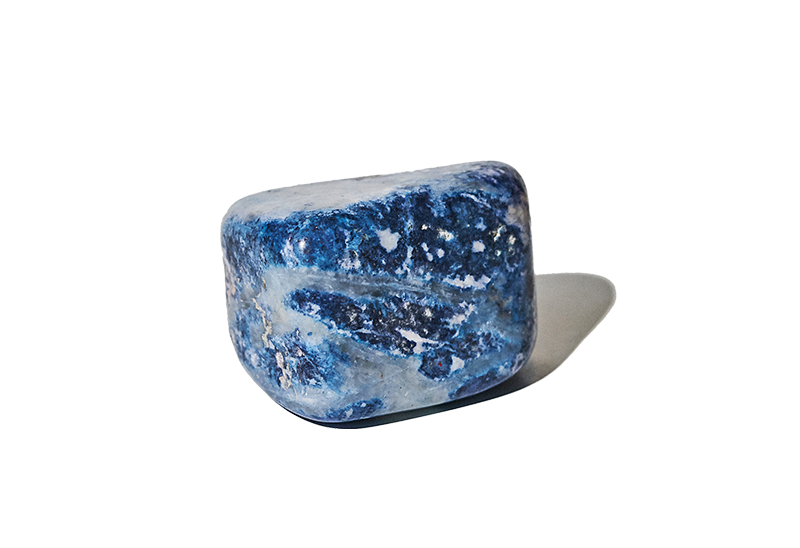
16 pieces
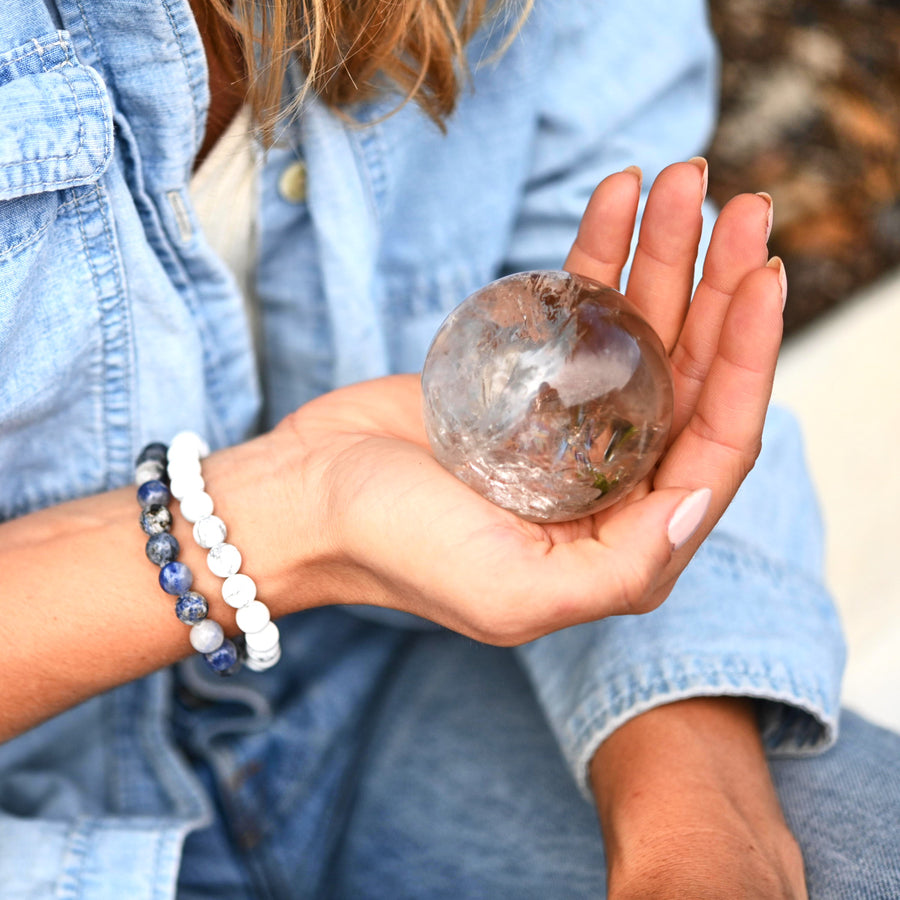

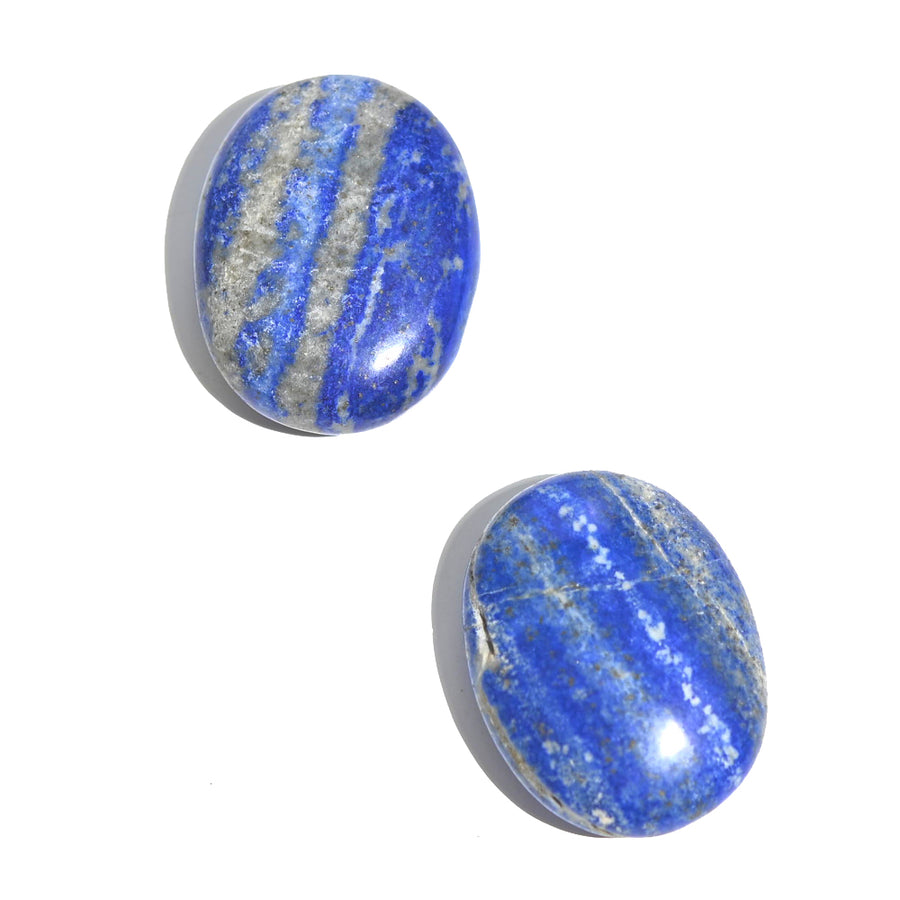

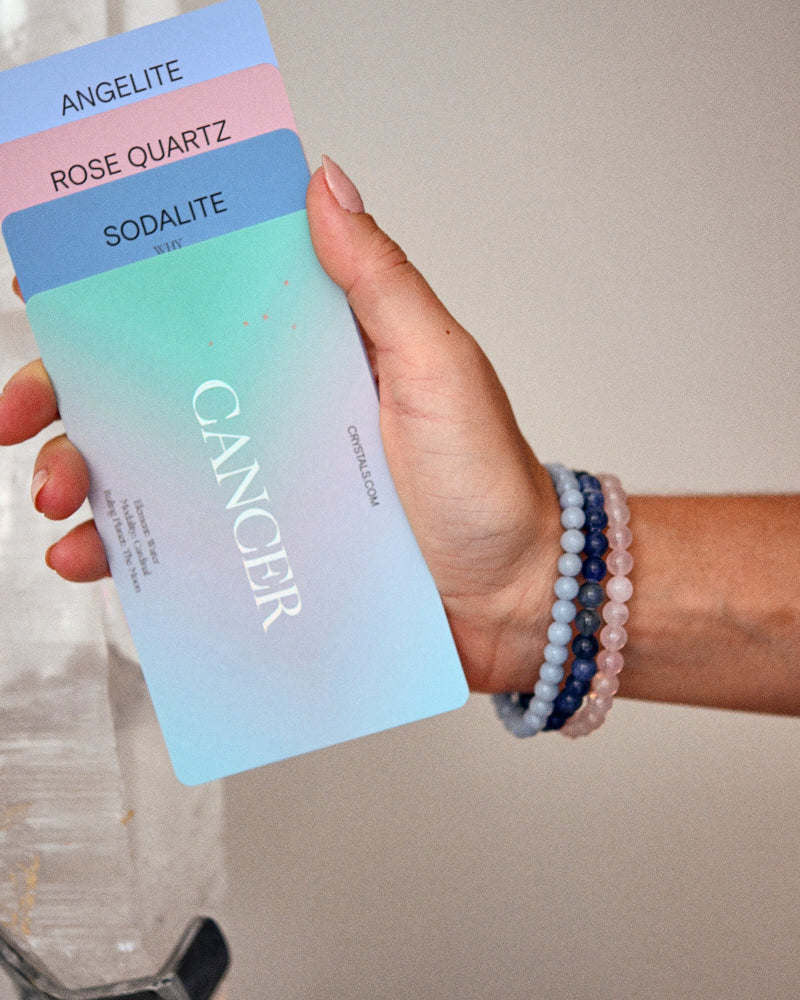


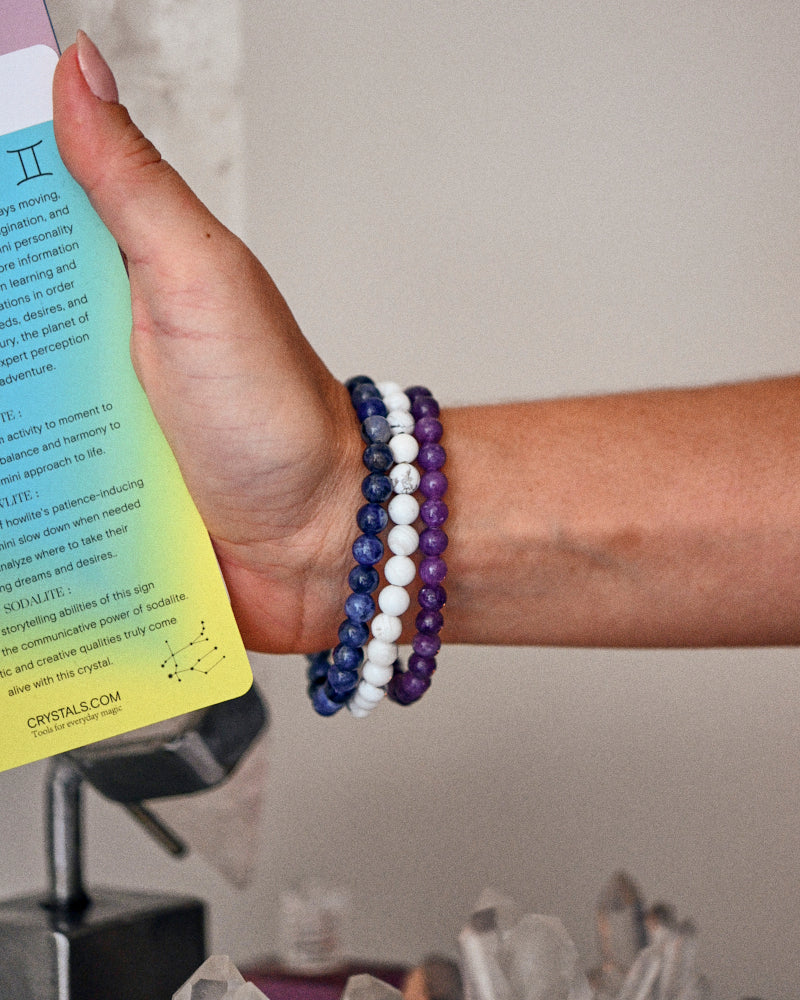
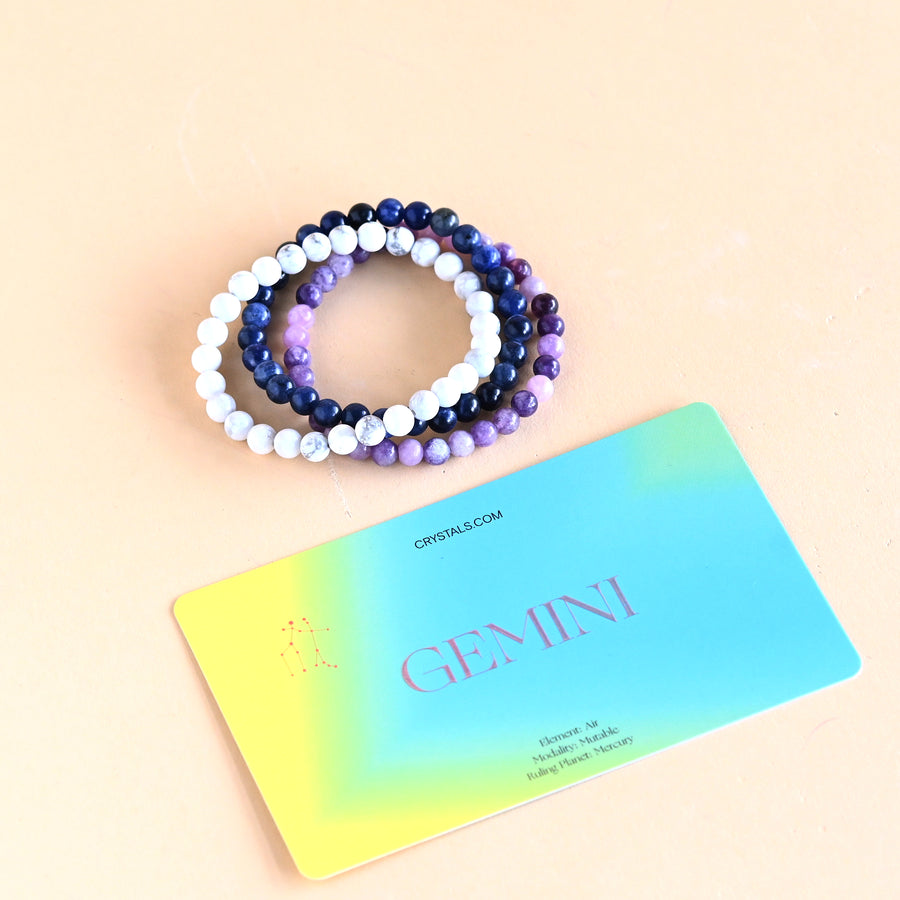
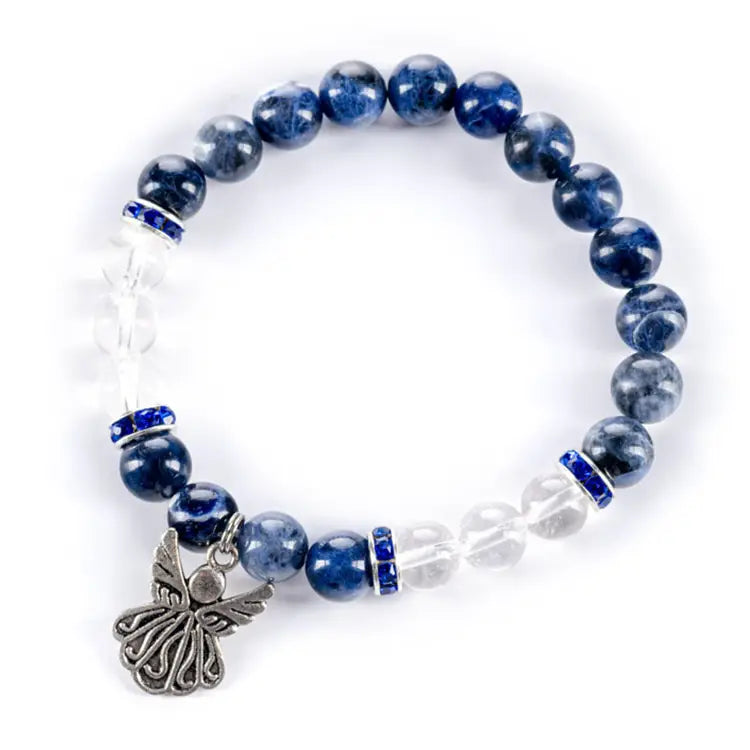

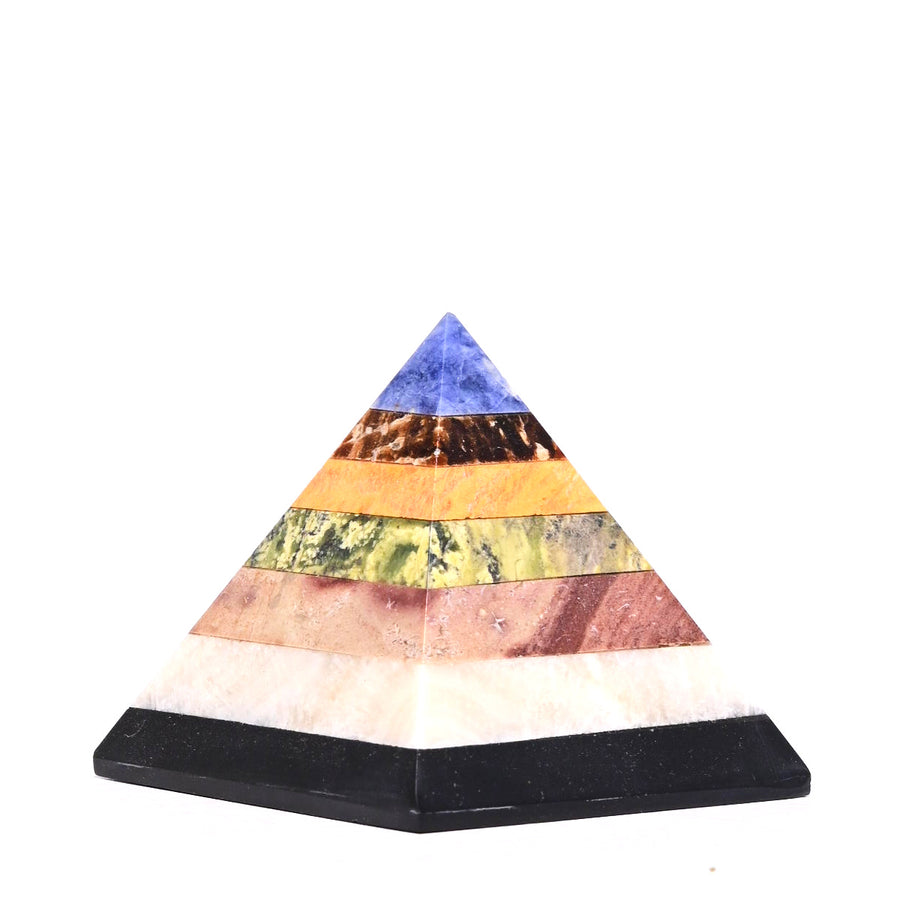

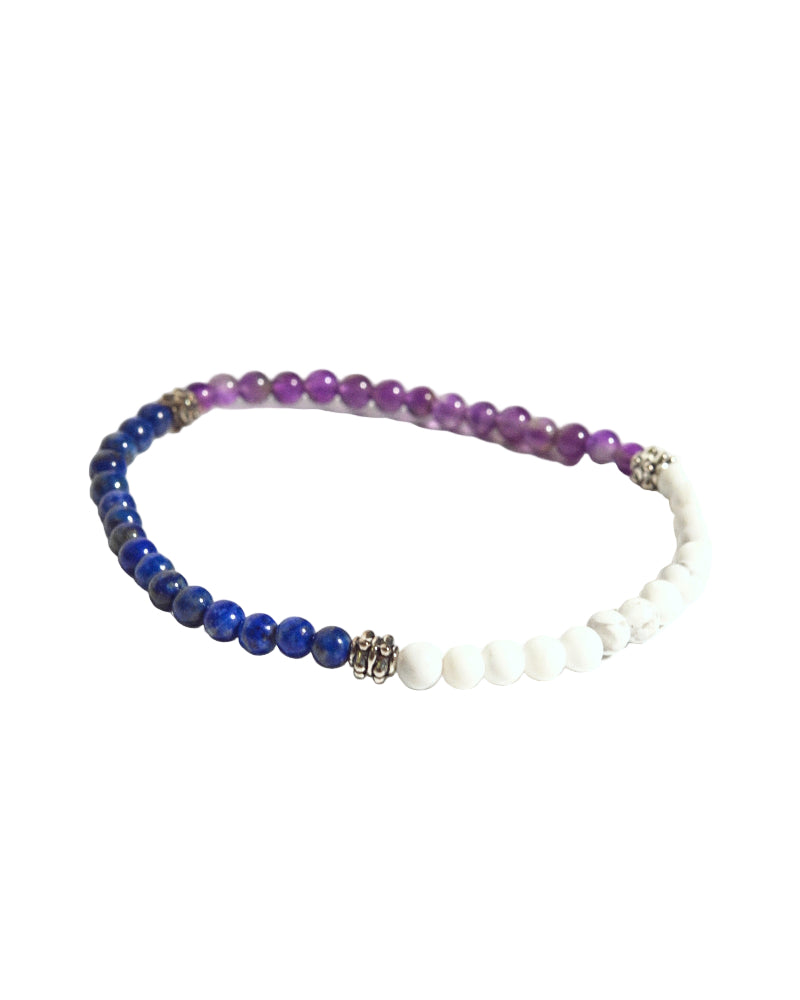

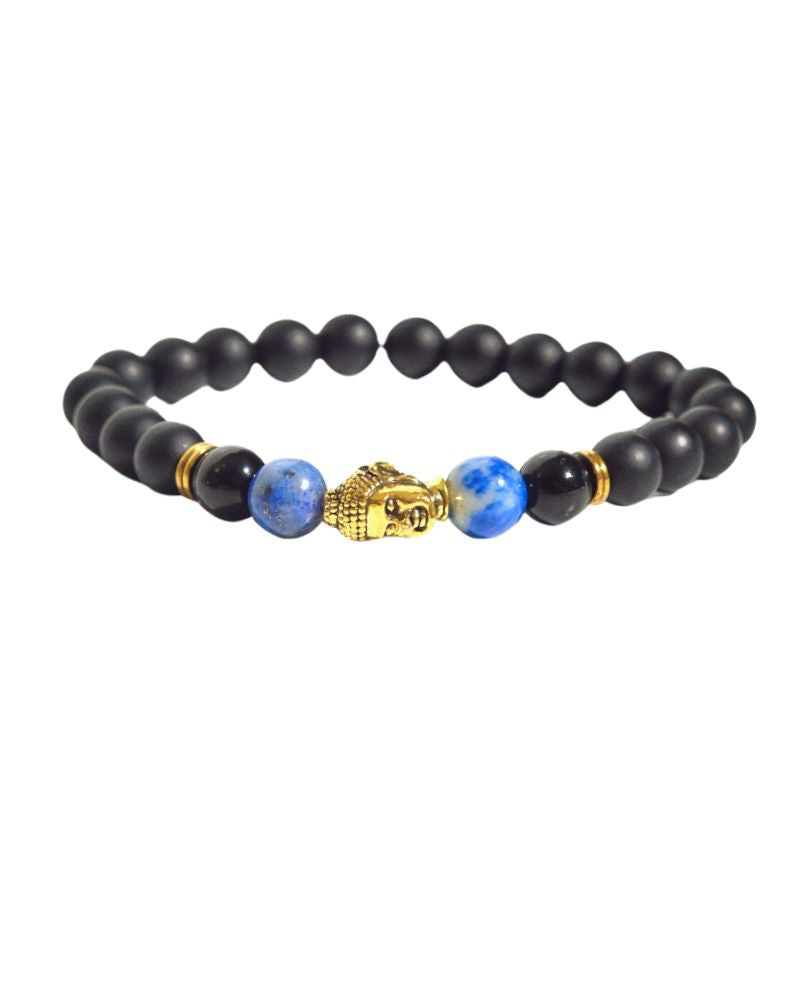


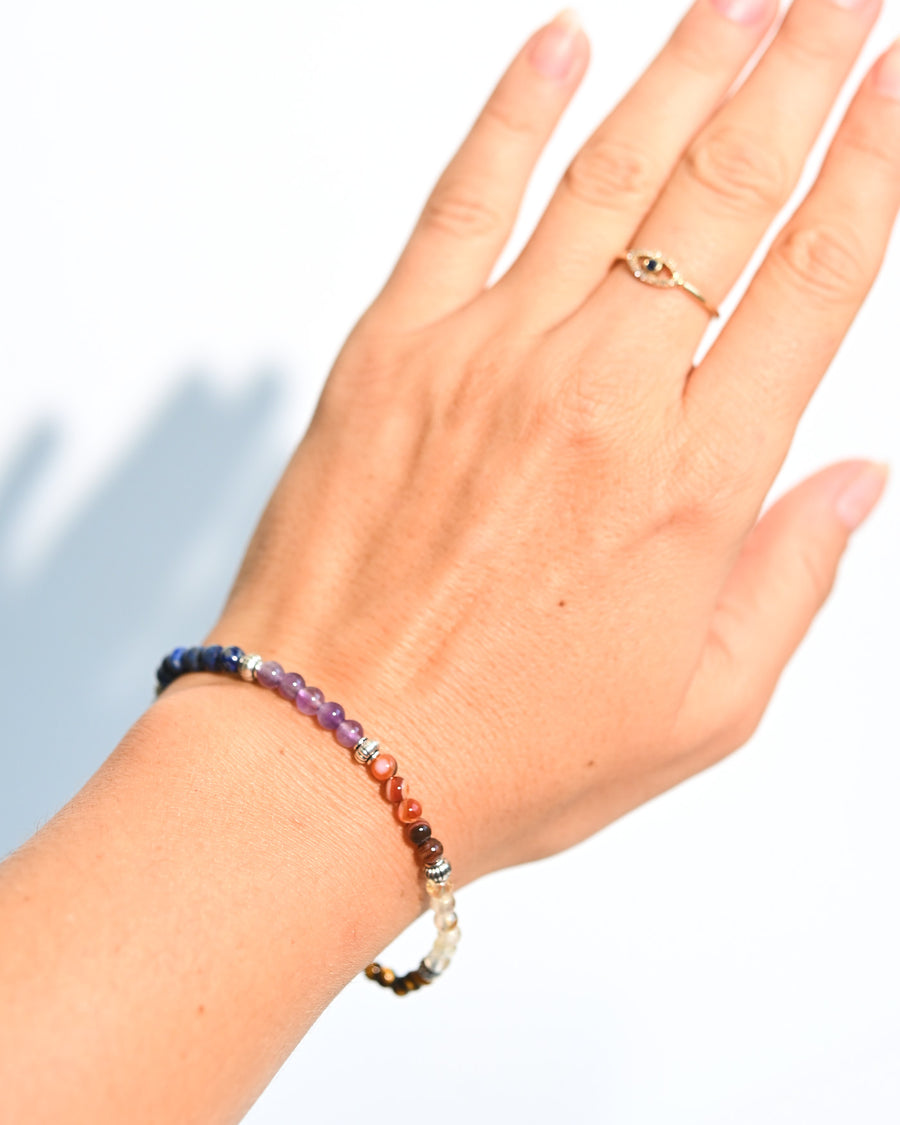


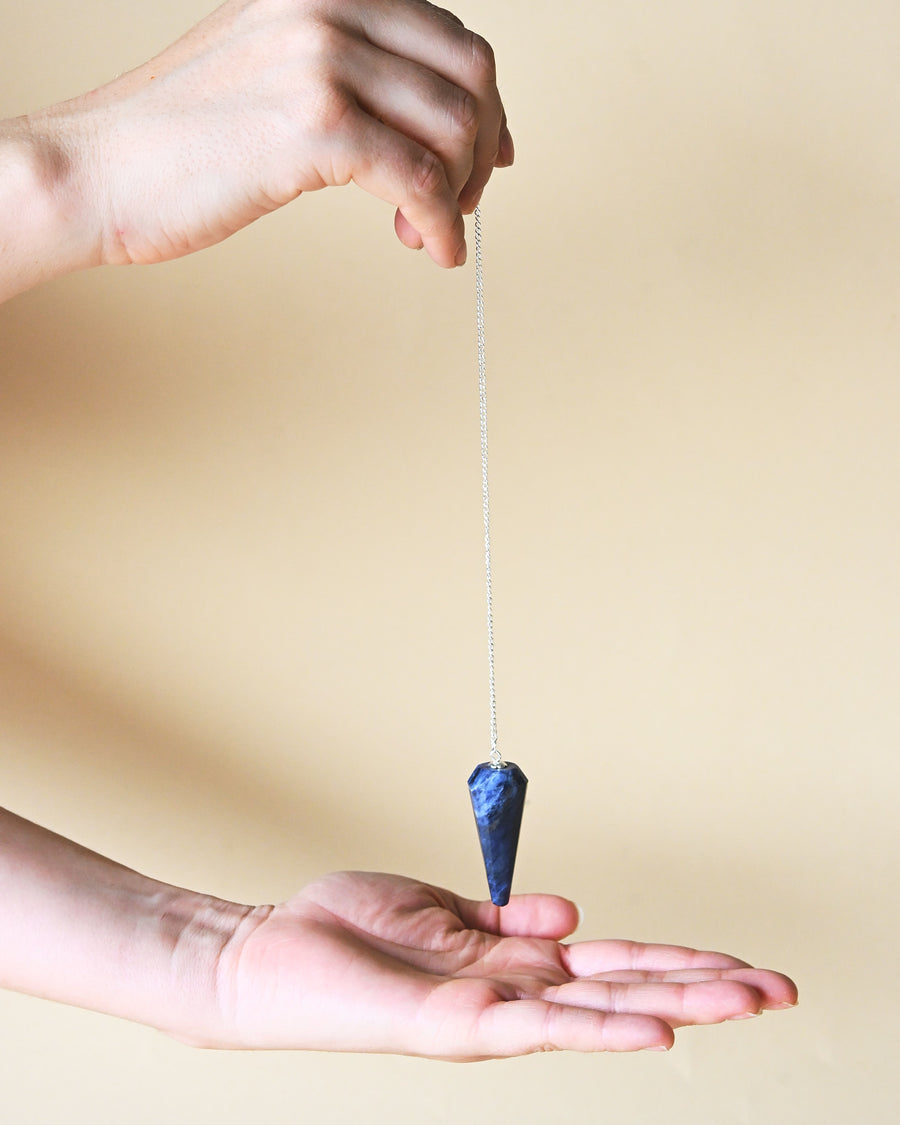
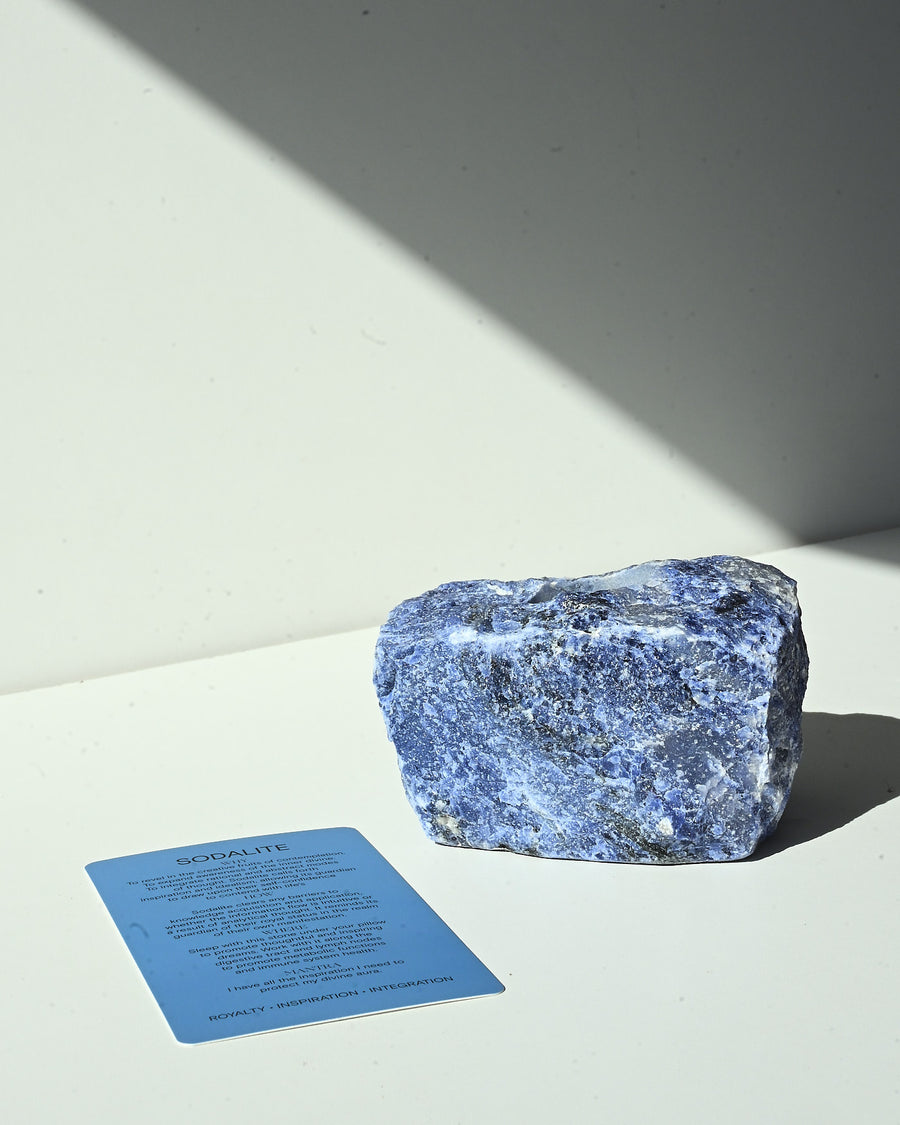

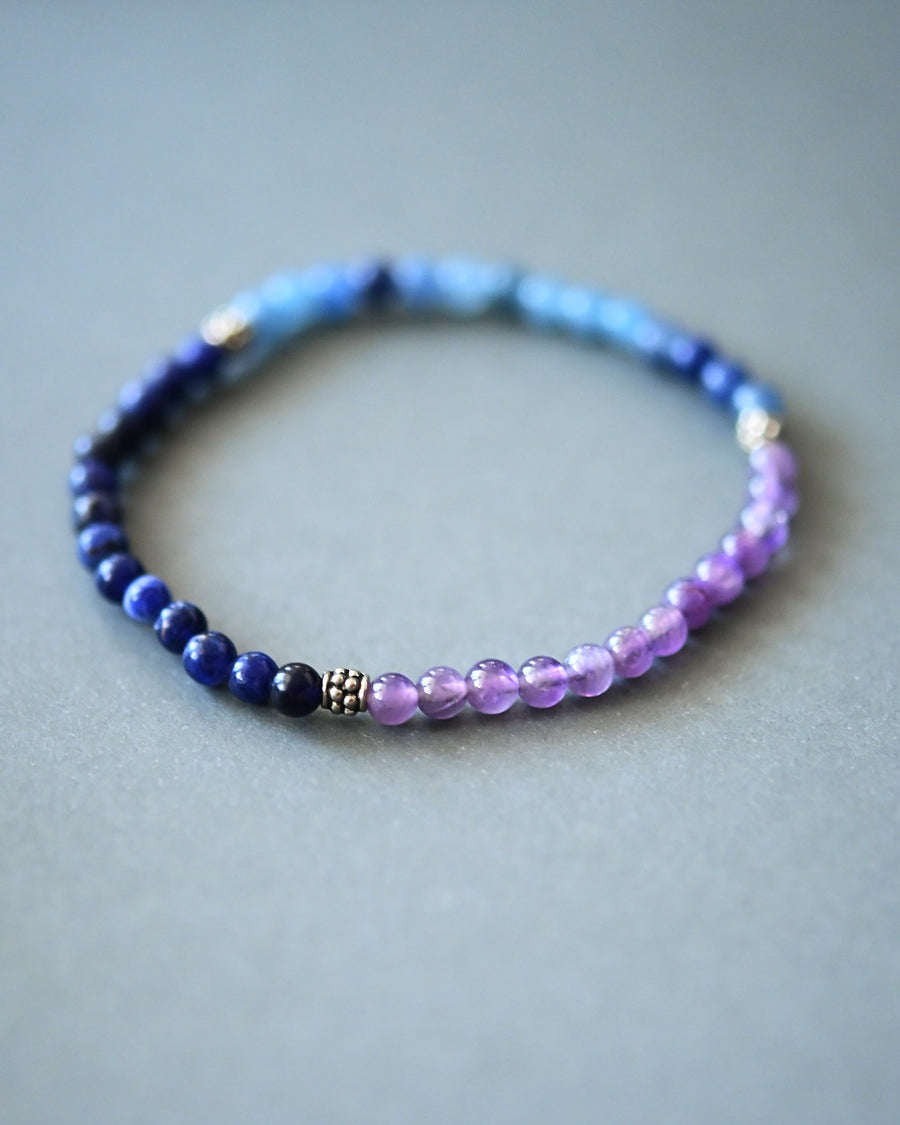

Chosen piece by piece, mostly direct from mines and suppliers I have worked with for years.
I shoot every piece myself, so a one of a kind piece is the exact piece you receive.
Packed by hand here and out in 1 to 3 business days.
Sodalite is a tectosilicate mineral with the formula Na8(Al6Si6O24)Cl2, crystallizing in the cubic system. Its rich royal blue color, often interwoven with veins of white calcite, makes it one of the most visually striking blue minerals. It registers 5.5 to 6 on the Mohs hardness scale.
Both are blue, but they are different materials. Lapis lazuli is a metamorphic rock containing lazurite, calcite, and golden pyrite flecks. Sodalite is a single mineral with white calcite veining but no pyrite. Sodalite tends to be a lighter, more uniform blue, while lapis lazuli is typically deeper blue with metallic gold spots.
Major sodalite sources include Brazil, Canada (Ontario), Namibia, and India. The mineral was first described in 1811 from Greenland specimens and gained widespread popularity after large deposits were discovered in Ontario in 1891.
At Mohs 5.5 to 6, sodalite is moderately durable. It works well in earrings, pendants, and bracelets for everyday wear. For rings, choose a protective setting. It is slightly softer than quartz but harder than most fluorites.
Clean with a soft damp cloth. Avoid ultrasonic cleaners and prolonged water exposure. Sodalite is not particularly sensitive to light, but store it separately from harder minerals to prevent surface scratching.
Sodalite, known for its deep blue hue and calming properties, is a valuable crystal for enhancing communication and self-expression. Its serene color and soothing energy make it a popular choice among crystal enthusiasts.
Sodalite is a crystal renowned for its properties in enhancing communication, promoting inner peace, and facilitating logical thinking. Its calming energy and striking blue appearance make it a sought-after choice for those seeking mental clarity and emotional balance.
Sodalite and lapis lazuli are both blue gemstones, but they have distinct differences. Sodalite typically exhibits a royal blue color with white streaks and is known for enhancing communication and mental clarity, while lapis lazuli tends to have a deeper blue hue with gold flecks and is often associated with spiritual and emotional growth.
A sodalite tower is a stunning crystal carved into a tall, slender shape, perfect for meditation and energy work.
Sodalite is a beautiful blue mineral often used in crystal healing and jewelry. It is known for its calming and communication-enhancing properties, making it a popular choice for those seeking emotional balance and improved self-expression.
Sodalite is a tectosilicate mineral with the formula Na₈(Al₆Si₆O₂₄)Cl₂, crystallizing in the cubic system. Its rich, royal blue color — often interwoven with veins of white calcite — makes it one of the most visually striking blue minerals available to collectors. Sodalite registers 5.5–6 on the Mohs hardness scale and is primarily sourced from Brazil, Canada, Namibia, and India.
First described in 1811 from specimens found in Greenland, sodalite gained widespread popularity after large deposits were discovered in Ontario, Canada, in 1891. It is a member of the feldspathoid group, meaning it forms in silica-undersaturated igneous rocks. Sodalite is sometimes confused with lapis lazuli, but experienced collectors can distinguish it by its lack of pyrite inclusions and its lighter, more uniform blue tone.
Available forms include tumbled stones, palm stones, polished spheres, freeforms, bracelets, and raw specimens. For other blue minerals, see our lapis lazuli, kyanite, and labradorite collections. Browse crystal jewelry for sodalite pendants and pieces. Free shipping on orders $150+.
Sodalite is a sodium aluminum silicate chloride mineral that crystallizes in the cubic system. It is known for its deep royal blue color, often with white calcite veining, and rates 5.5–6 on the Mohs hardness scale. It belongs to the feldspathoid mineral group.
Both are blue minerals, but they differ in composition and appearance. Lapis lazuli is a rock (composed of lazurite, calcite, and pyrite) while sodalite is a single mineral species. Sodalite typically has a lighter, more uniform blue without the golden pyrite flecks characteristic of lapis. Sodalite also tends to show more prominent white calcite veining.
Major sources include Brazil, Canada (Ontario, where large deposits were discovered in 1891), Namibia, India, and Greenland (the original discovery locality in 1811). Canadian sodalite has been used in architectural decoration, including panels in the Royal Ontario Museum.
Brief water exposure is generally safe for sodalite at Mohs 5.5–6. However, prolonged soaking is not recommended as it can affect the polish and potentially cause the white calcite inclusions to react. Clean with a damp soft cloth and dry promptly.
Hackmanite is a rare sulfur-rich variety of sodalite that exhibits tenebrescence — it changes color when exposed to UV light, shifting from pale pink to deep violet, then slowly fading back in visible light. It is one of the few minerals that displays this reversible photochromic effect.
A beautiful piece..the photo's did not do it justice. The delivery was timely and arrived in perfect condition. Thank you..this specimen is a must for any collector.
Crystals Individually wrapped
Shipped with care, excellent packaging. Great products
Very nice, one of a kind sphere. The piece matched the quality in the photos. Packaging was above average, with no damage during shipping. Tracking was easy. Everything was a positive experience.
Was expecting a bright shade of yellow, but the amber shade is just as beautiful.
Loved how it glimmers
Loved the packaging
Each Crystal came out beautifully
Will definitely find myself a frequent customer ☺️
Perfect. I love my crystals!
Beautiful! Exactly what I was hoping for/expecting!
Delivered when promised. Packaged very nicely!
Beautiful! The purple is so vibrant!
Stunning! Exceeded my expectations and arrived so quickly 💜
Web site is working like a dream, beautifully.
Amazing smoky quartz that you dug up yourself in Tennessee. It shines in my entryway & it is so special. Thank you, it is one of my most important treasures. By the way, your web site works beautifully!
Very beautiful!
Can't choose?
Tell it what you need. It picks one piece for you, in stock right now.
Sorry, looks like we don't have enough of this product.

Buy It With
Cleansed Kit - Palo Santo / Sage / Selenite
$22.00 USD


