Shop Crystals for This Energy
Free shipping on orders over $150
Choosing your first crystals can feel overwhelming — there are hundreds of varieties, each with different properties, colors, and price points. The good news: there's no wrong choice. But there are smarter ways to start.
Start with What You're Drawn To
Before reading any guidebook or property list, go to a crystal shop (or browse online) and notice what catches your eye. Your first instinct is usually right. If you're drawn to a deep purple amethyst, that's meaningful. If a golden citrine makes you stop scrolling, pay attention.
The visual and tactile attraction to a crystal is often more useful than intellectual research. You're responding to color, form, and energy that your conscious mind hasn't processed yet. Trust that response.

The Starter Five
If you want a structured starting point, these five crystals cover the fundamentals:
1. Clear Quartz — The Amplifier
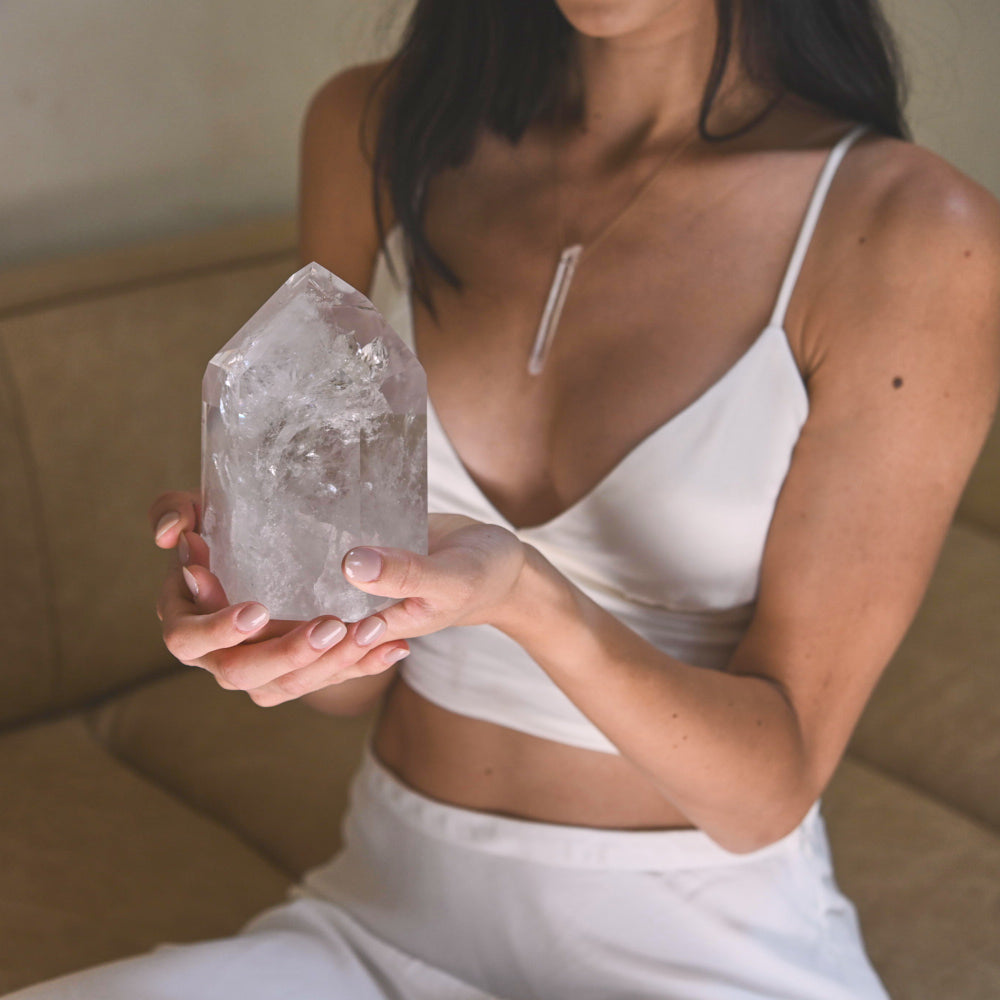
Clear quartz is the most versatile crystal in the mineral kingdom. It amplifies whatever intention you set and pairs well with every other crystal. A clear quartz point is like a universal tool — it works for everything.
2. Amethyst — The Calmer
If you own one crystal, make it amethyst. Its purple color is universally appealing, it's widely available at every price point, and its calming quality makes it ideal for bedrooms, desks, and meditation spaces.
3. Rose Quartz (Rose Quartz Tower) — The Heart Stone
Soft, pink, and nurturing. Rose quartz is the crystal of self-love and emotional healing. A palm stone or small sphere on your bedside table is a daily reminder to treat yourself with the same kindness you'd offer a friend.
4. Black Tourmaline — The Protector
Every collection needs grounding energy. Black tourmaline absorbs environmental stress and creates a sense of stability. Place it near your front door or on your desk during stressful work periods.

5. Citrine — The Motivator
Warm, golden, and optimistic. Citrine brings positive energy and motivation. It's traditionally associated with abundance and is a beautiful display piece thanks to its honey-gold color.
How to Choose Quality
As a beginner, here's what to look for:
• Color saturation: Richer, more vibrant color generally indicates higher quality. Pale amethyst is still amethyst, but deep purple is more visually impactful.
• Damage: Minor chips are normal in natural specimens. Major cracks or repairs should be disclosed and priced accordingly.
• Photos vs. reality: Buy from sellers who photograph each individual piece. Stock photos mean you might not get what you expect. At Crystals.com, every product is individually photographed.
• Natural vs. treated: Some crystals are heat-treated or dyed. Natural specimens are always preferred for both beauty and value.
Where to Put Your First Crystals
• Bedside table: Amethyst, rose quartz, selenite
• Desk: Clear quartz, citrine, fluorite
• Entryway: Black tourmaline, amethyst
• Living room: Your largest, most beautiful specimen — whatever it is
• Pocket/purse: A small tumbled stone you love. The daily physical contact builds connection.

Your Next Steps
Once you have your starter collection, explore from there. Visit our Crystal Guide A-Z for detailed information on every crystal variety. And remember: the best crystal for you is always the one you're drawn to.
Shop beginner-friendly crystals in our full collection. Free shipping on orders over $150.
Discover Your Human Design
Crystals amplify energy — but do you know your unique energy type? Human Design reveals how you're wired to make decisions, work, and rest.
Explore Human DesignUnderstanding Crystal Quality: What to Look For
Once you have chosen a crystal type, understanding quality helps you make smart purchasing decisions. Quality factors vary by species, but some principles are universal.
Color Saturation and Consistency
The most valued specimens typically show rich, saturated color that is evenly distributed. For amethyst, deep purple is more prized than pale lavender. For citrine, warm golden tones are preferred over muddy brown. However, beauty is subjective. Pale specimens can be just as beautiful and are often more affordable, making them excellent starter pieces.
Crystal Form and Termination
For pointed crystals (like quartz), intact terminations (the natural pyramid-shaped tips) significantly affect both beauty and value. A quartz point with a clean, undamaged termination is worth more than a similar crystal with a chipped or broken tip. For clusters, look for multiple well-formed points growing from the matrix base.
Transparency and Clarity
Some crystals (quartz, fluorite, calcite) can be transparent to translucent. Greater clarity generally means higher quality, but inclusions (minerals trapped inside) can create beautiful effects. Rutilated quartz (golden needle-like inclusions), garden quartz (chlorite inclusions), and labradorite (Labradorite Palm Stone) (structural color from layered feldspar) are valued specifically for their inclusions.
Common Beginner Mistakes to Avoid
- Buying too many too fast: Start with 3-5 crystals you genuinely connect with rather than 30 you forget about. Quality over quantity.
- Ignoring the source: Buy from reputable sellers who can tell you where the crystal was mined. Ethical sourcing matters, and knowing the locality adds meaning to your collection.
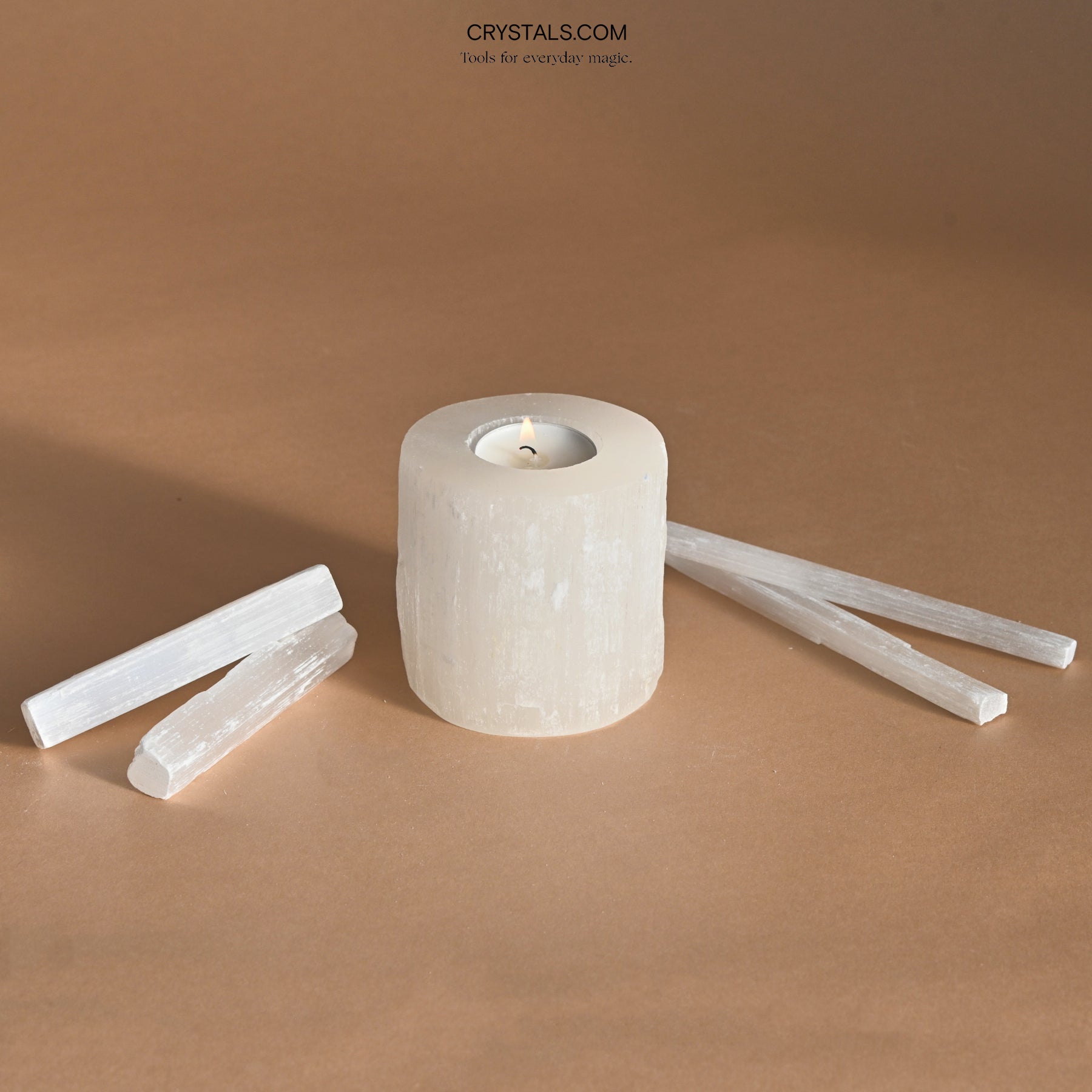
- Water cleansing everything: Not all crystals can go in water. Selenite dissolves, pyrite rusts, and malachite can release copper. When in doubt, use moonlight or place the crystal on a selenite plate instead.
- Expecting instant results: Crystal practice is a relationship that builds over time. The first time you hold a crystal, you might feel nothing specific. That is normal. Give it consistent attention before deciding it is not for you.
- Believing every online claim: The internet is full of unverified crystal information. Stick to geological facts for identification and care, and let your own experience guide you on how crystals fit into your personal practice.
The Best Starter Crystals
If you want a versatile beginner collection, these five crystals cover the widest range of uses and aesthetics:
- Clear Quartz — The all-purpose crystal. Works for any intention. Durable, affordable, and beautiful.
- Amethyst — The most popular crystal for a reason. Stunning purple color, calming presence, widely available.
- Rose Quartz — Gentle pink energy. The go-to crystal for heart-centered work and bedroom decor.
- Citrine — Warm, golden, and uplifting. Great for workspace and sunny rooms.
- Smoky Quartz (Smoky Quartz Palm Stone) — Grounding and protective. The counterbalance to more stimulating crystals.
These five give you warm tones, cool tones, transparent, translucent, grounding, and uplifting options. All are Mohs 7 (quartz family), meaning they are durable and easy to care for. All are widely available and affordable at every size. Start here, and let your collection grow naturally from what draws your attention next.
Explore our best sellers for the most popular beginner-friendly crystals. Free shipping on orders over $150.
How to Build a Crystal Practice Over Time
A crystal practice, like any meaningful habit, develops gradually. Here is a suggested progression for your first year.
Month 1-3: Foundation
Start with 3-5 crystals from different mineral families (see the starter collection above). Place one in your bedroom, one on your desk, and carry one daily. Focus on noticing how different crystals feel in your hand and how different placements affect your space. There is no right answer here. You are building awareness.
Month 4-6: Expansion
Begin exploring specific topics: birthstones, zodiac crystals, or crystals for specific rooms. Add 3-5 new pieces to your collection, chosen with more knowledge and intention than your initial purchases. Start a simple practice: holding a crystal during 5 minutes of morning quiet time, or placing one under your pillow for sleep.
Month 7-9: Deepening
Explore crystal grids, combinations, and seasonal practices. Learn about the moon phases and how to work with lunar cycles using crystals. Begin visiting mineral shows or specialty shops where you can see specimens in person and learn from knowledgeable sellers. Your eye for quality will sharpen naturally with exposure.
Month 10-12: Personalization
By now, you have a clear sense of which crystals resonate with you personally. Your collection reflects your taste, not anyone else's prescription. You can identify your go-to crystals for different situations, you know how to care for different mineral types, and you have developed a personal practice that fits your lifestyle.
The hallmark of a mature crystal practice is that it feels natural and effortless rather than performative. You reach for a crystal because it genuinely enhances your day, not because you feel you "should." Trust the process, start simple, and let curiosity guide your collection.
For more guidance, explore our educational crystal guides covering everything from beginner tips to advanced topics like crystal grids and mineral identification.
Related reading: Crystal Bracelets: Meanings & Buying Guide | The Complete Guide to Crystal Bracelets | What Crystal Should I Wear?
Where to Buy Crystals: What to Look For in a Seller
The crystal market includes excellent sellers and less scrupulous ones. Reliable sellers can tell you where a crystal was mined (or will honestly say they are unsure), provide accurate mineral identification, disclose any treatments (like heat treatment or dyeing), and offer reasonable return policies. Be cautious of sellers who make specific medical claims, refuse to disclose origins, or price common crystals as "rare." Online, look for detailed photographs that accurately represent the specimen you will receive, not generic stock images. At Crystals.com, every piece is photographed individually and sourced from trusted mining partners, so you know exactly what you are getting. Orders over $150 ship free.
Get 10% Off Your First Order
Plus early access to new arrivals, collector drops, and crystal guides. Join 15,000+ crystal lovers.